Research platforms
Large-scale facilities connect academic expertise with experimental resources used across disciplines.
At a glance
Research platforms
Large-scale facilities connect academic expertise with experimental resources used across disciplines.
Prominent examples include the National Synchrotron Radiation Laboratory and the State Key Laboratory of Fire Science.
Fire-science research platform
- Building and structural fire behavior
- Forest fires and fire whirl dynamics
- Oil-tank fire hazards
- Intelligent fire detection and fire safety
- Experimental capabilities include a combustion wind tunnel and multistory fire-test building
University research standing: rankings with year and source
University-wide research rankings measure different dimensions of performance. The 2026 ARWU and Best Chinese Universities results are published by ShanghaiRanking; the QS figure refers to the 2027 QS edition. These are university-level positions, not rankings of the West Campus or any individual research laboratory.
| Edition | Publisher and ranking | Position | Source |
|---|---|---|---|
| 2026 | ShanghaiRanking ARWU | World #39 | Ranking publisher ↗ |
| 2026 | ShanghaiRanking Best Chinese Universities | China #7 | Ranking publisher ↗ |
| 2027 | QS World University Rankings | World =134 | Ranking publisher ↗ |
Research strengths highlighted by USTC include scientific instrumentation, physical sciences, information science, engineering and applications in materials and life science. The National Synchrotron Radiation Laboratory and fire-science infrastructure illustrate why specialist research capacity cannot be summarized by one league-table number.
Scientific questions and facilities
Research platforms | Scientific questions and facilities
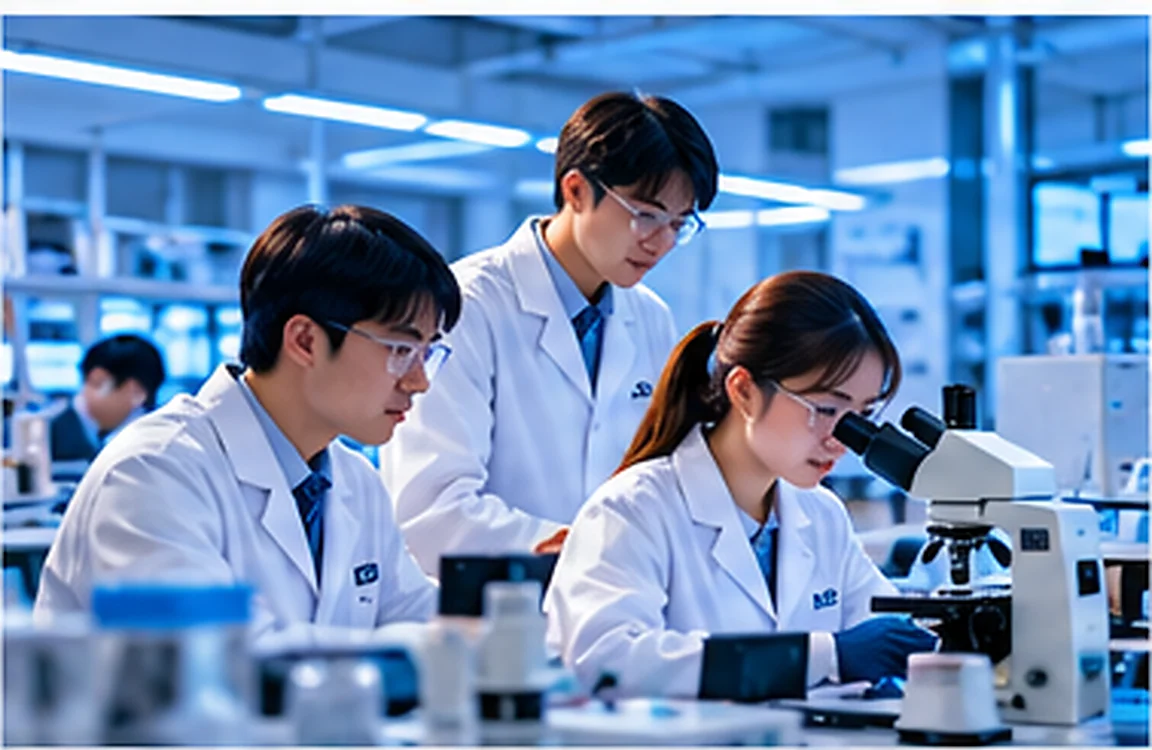
Scientific platforms differ in what they can measure and who can use them. Synchrotron radiation provides tunable light for material characterization; combustion facilities allow controlled fire studies; biology platforms support imaging and molecular experiments. Research designs must fit the platform's instrumentation, safety requirements and the interpretation of measurements. Collaboration across disciplines can then turn specialized outputs into broader scientific explanations, for example by combining chemical spectroscopy with materials models.
Research infrastructure across scientific disciplines
The National Synchrotron Radiation Laboratory is connected with the Hefei Light Source and the ongoing development of the Hefei Advanced Light Facility. Fire-science infrastructure includes a combustion wind tunnel and experimental structures for analyzing fire spread.
Life-science shared laboratories provide instrumentation for specialized biological experiments. Each platform has distinct access rules, technical capabilities and scientific applications.